Your website is one of your most valuable digital assets. But as technology evolves, so do user expectations—and failing to keep up can hurt your business. Knowing when to redesign website pages is vital for staying competitive, enhancing user experience (UX), and driving conversions. In this article, we’ll break down the most common signs that it’s time to redesign your site and share actionable tips for ensuring your redesign achieves the best results.
Why Redesign Website Pages Regularly?
A website redesign isn’t just about making your site look better. It’s about solving problems that hinder performance, usability, and scalability. Here’s why redesigning your website matters:
- Improve User Experience (UX): A smoother, more intuitive design keeps visitors engaged and reduces bounce rates.
- Boost SEO Performance: Outdated websites can fall behind in search rankings, costing you organic traffic.
- Enhance Brand Credibility: A modern, professional design reflects well on your brand, boosting trust and authority.
- Adapt to Evolving Needs: Whether it’s incorporating e-commerce functionality or integrating modern design trends, redesigning ensures your site meets user demands.
If you’ve been holding off on a redesign, consider how these factors could impact your long-term success.
Your Website Takes Too Long to Load
Slow load times are a red flag for both users and search engines. Research shows that 40% of users abandon a site if it takes more than three seconds to load. Beyond frustrating users, slow pages negatively impact SEO rankings, as Google prioritizes fast-loading websites in search results.
Signs Your Site Needs Optimization:
- Pages load slowly on desktop or mobile devices.
- Images or videos take too long to render.
- Your hosting service is outdated or inefficient.
Solution:
To redesign website pages for faster load times, focus on:
- Converting images to next generation image file formats without sacrificing quality using tools like Pixelied.
- Minimizing CSS, HTML, and JavaScript files to reduce page weight.
- Switching to a faster hosting provider.
Investing in a redesign that prioritizes performance can significantly improve user retention and SEO rankings.
Your Bounce Rate Is Too High
A high bounce rate indicates visitors leave your site quickly without interacting which could indicate that it’s time for a website redesign. This often points to poor design, irrelevant content, or slow-loading pages. A redesign website effort can directly address these issues by delivering a more engaging experience.
How to Identify the Problem:
Use tools like Google Analytics to analyze bounce rates. If certain pages have unusually high rates, look for patterns such as unappealing layouts, weak CTAs, or irrelevant content.
Steps to Fix It:
- Simplify navigation by grouping related pages under clear menu categories.
- Use engaging visuals and multimedia to capture attention.
- Ensure that your content delivers immediate value aligned with user intent.
Your Website Isn’t Mobile-Friendly
With over 60% of web traffic originating from mobile devices, a responsive design is no longer optional. If your website performs poorly on mobile—e.g., content spills off the screen, buttons are hard to click, or the layout is distorted—you’re losing valuable visitors.
How to Test Mobile-Friendliness:
Google’s Mobile-Friendly Test provides an easy way to evaluate your site. It highlights areas needing improvement and offers guidance for optimizing your design.
Benefits of a Responsive Redesign:
- Improved usability across devices.
- Better SEO rankings, as mobile-first indexing is a key ranking factor.
- Higher engagement from mobile users.
A redesign website project focused on responsiveness can help you capture and retain more visitors.
Your Design Feels Outdated
An outdated design isn’t just about aesthetics—it can lead to lost trust and credibility. Users often judge a company’s professionalism based on its website design. If your site looks dated or unpolished, visitors may assume your services are too.
Signs Your Design Is Outdated:
- Overly cluttered layouts or unappealing color schemes.
- Use of outdated fonts or stock photography.
- A lack of modern design elements, such as white space, animation, or dynamic content.
How a Redesign Can Help:
- Modernize your visual identity with clean, minimalistic design trends.
- Ensure consistency across all branding elements, from typography to imagery.
- Integrate dynamic content like videos or interactive elements to boost engagement.
Navigation Is Confusing
Poor navigation can drive users away, even if your content is excellent. If visitors struggle to find what they’re looking for, they’ll leave—often for a competitor’s site.
Common Navigation Issues:
- Overcrowded menus with too many options.
- Inconsistent labeling or confusing terminology.
- Lack of a search bar or breadcrumb navigation.
Redesign Tips for Better Navigation:
- Use clear, concise menu labels.
- Limit menu options to 5–7 items for simplicity.
- Implement breadcrumb trails to help users track their location on your site.
Competitors Have Redesigned Their Websites
If your competitors recently upgraded their websites, your site might feel outdated in comparison. Visitors subconsciously compare websites, and a more polished competitor site can make yours appear inferior.
How to Stay Ahead:
- Conduct a competitor analysis using tools like SimilarWeb.
- Identify features or design elements you can incorporate into your redesign.
- Focus on what makes your site unique while still adhering to modern standards.
Your SEO Rankings Are Dropping
SEO success depends on a combination of technical performance, content relevance, and user experience. If your website fails to meet these standards, it could lose visibility on search engines.
Signs Your Website Needs an SEO-Focused Redesign:
- Declining organic traffic.
- Poor rankings for primary keywords.
- Outdated site structure, such as broken links or unoptimized metadata.
How to Improve SEO During a Redesign:
- Conduct a full SEO audit with tools like SEMrush.
- Optimize metadata, alt text, and headers for target keywords.
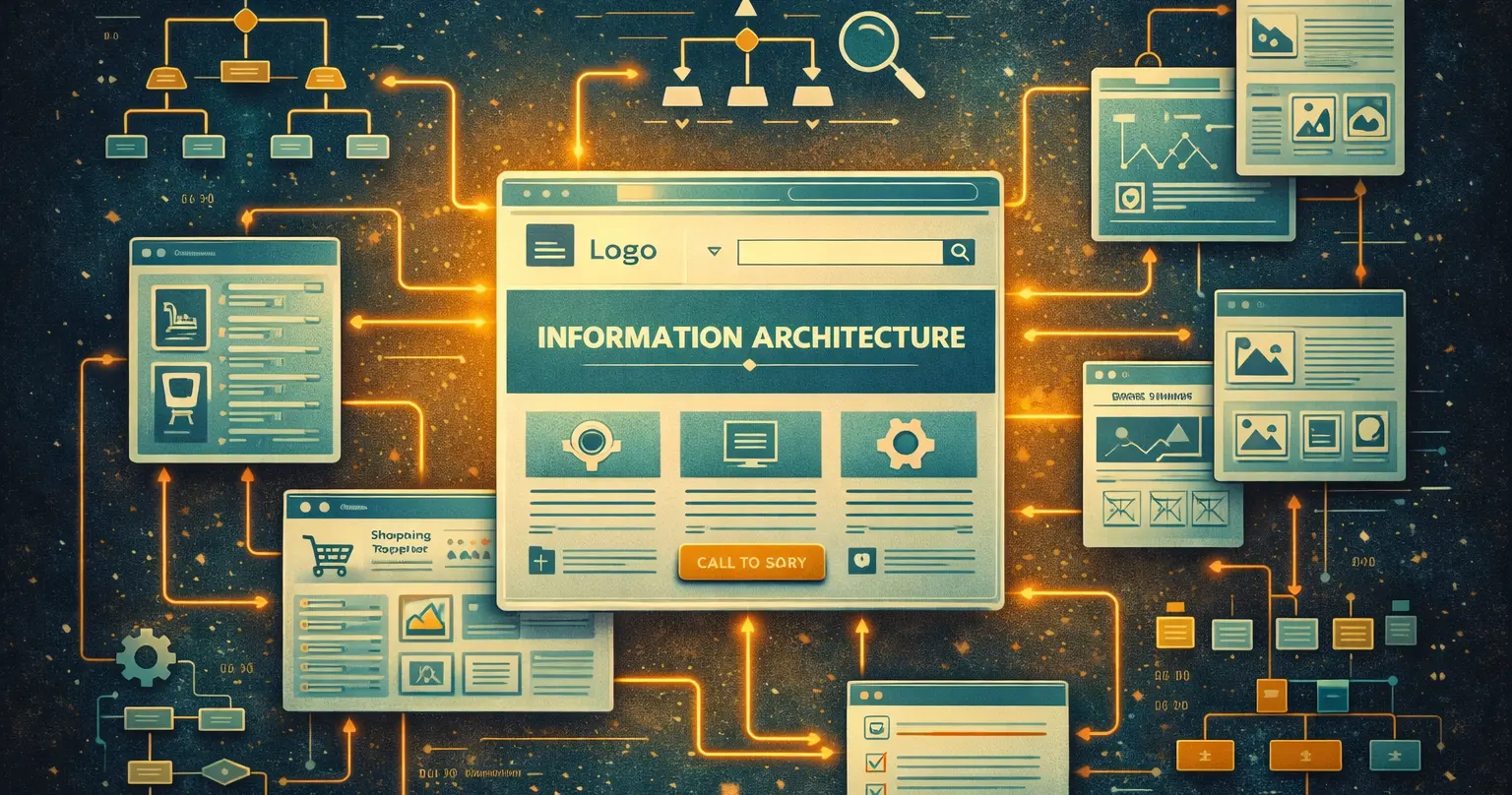
- Redesign the site architecture to improve crawlability and user flow.
Updating Content Is a Challenge
An outdated CMS can make even simple updates time-consuming. If your team struggles to add blog posts, update images, or change product descriptions, it’s time for a redesign.
Modern CMS Benefits:
- User-friendly dashboards for non-technical users.
- Scalability for future growth.
- Integration with analytics, marketing tools, and e-commerce platforms.
Switching to a modern CMS during a redesign website project saves time and enables greater content flexibility.
Your Brand Has Changed
As businesses evolve, their branding often changes to reflect new goals, values, or target audiences. If your website doesn’t match your current brand identity, it creates confusion for users.
Redesign Opportunities:
- Refresh your color palette, typography, and logo to align with updated branding.
- Rewrite messaging to better connect with your audience.
- Showcase new products or services prominently.
The Cost of Ignoring a Website Redesign
Failing to redesign website pages can have long-term consequences, including:
- Missed business opportunities due to poor performance.
- Lower rankings as search engines deprioritize outdated sites.
- A negative perception of your brand by potential customers.
By proactively addressing these issues, you’ll create a website that works as an effective tool for growth.
Steps to Successfully Redesign Website Pages
Redesigning isn’t just about aesthetics—it’s about achieving measurable improvements in performance, usability, and functionality. Here’s a roadmap to get started:
- Audit Your Current Site:
Use tools like Ahrefs to pinpoint weaknesses in performance, structure, and content. - Define Your Goals:
Decide whether your primary objective is to improve UX, boost SEO, or increase conversions. - Choose the Right Team:
Work with experienced web designers and developers who understand your vision. - Test Extensively:
Before launching, test your redesigned website on multiple devices and browsers to ensure functionality and responsiveness.
FAQs
How often should you redesign website pages?
Most businesses should consider a redesign every 2–3 years to stay competitive and relevant.
What’s the cost of a website redesign?
Costs vary but typically range from $3,000 to $10,000 for smaller sites and up to $50,000 or more for larger projects.
How long does a website redesign take?
A typical website redesign takes between 6–12 weeks, depending on complexity and scope.
Can I redesign website pages myself?
DIY redesigns are possible with tools like WordPress or Squarespace, but hiring professionals ensures better results.
What role does SEO play in redesigning a website?
SEO should guide all aspects of a redesign, from content structure to technical improvements, to ensure long-term visibility.
Conclusion
Redesigning website pages is a vital step for any business seeking to stay competitive, improve user experience, and drive conversions. By recognizing the warning signs—like high bounce rates, outdated designs, or poor SEO performance—you can take proactive steps to elevate your online presence. A well-executed redesign transforms your site into a powerful asset that works seamlessly for your brand and users alike.