Modern B2B website design is evolving rapidly, setting new standards for functionality and visual appeal in the business realm. According to recent research, 76% of B2B buyers say a well-designed website significantly influences their purchasing decisions. As companies strive to connect with other businesses, strategic B2B website design becomes paramount for success. From minimalist aesthetics that emphasize core messages to dynamic storytelling through high-quality visuals and interactive graphics, these trends are revolutionizing how businesses communicate their value propositions. Professional website design must prioritize both user experience and conversion optimization – a balance that industry leaders like IBM, Salesforce, and HubSpot have mastered through their enterprise B2B website design approaches.
Essential Elements of Modern B2B Website Design: A Minimalist Approach
In today’s fast-paced B2B environment, effective B2B website design requires both functionality and visual sophistication. Recent studies show that 75% of users judge a company’s credibility based on website design, making it crucial for businesses selling products or services to other companies.
Strategic Design Through Minimalist Principles
The most successful B2B website design implementations focus on eliminating unnecessary elements while emphasizing core messaging. Companies like Stripe and Square demonstrate this perfectly, using white space and clean typography to guide visitors through their complex offerings. Key statistics show that minimalist B2B website design approaches can:
- Reduce bounce rates by up to 38%
- Increase conversion rates by 25%
- Improve page load speed by 42%
Best Practice Tip: Implement a 60-30-10 color rule in your B2B website design, where 60% is your primary color, 30% secondary, and 10% accent colors for call-to-action elements.
Optimizing User Experience in B2B Website Design
Contemporary website design emphasizes clean layouts with clear navigation paths. Industry leaders like Adobe and Microsoft exemplify this through:
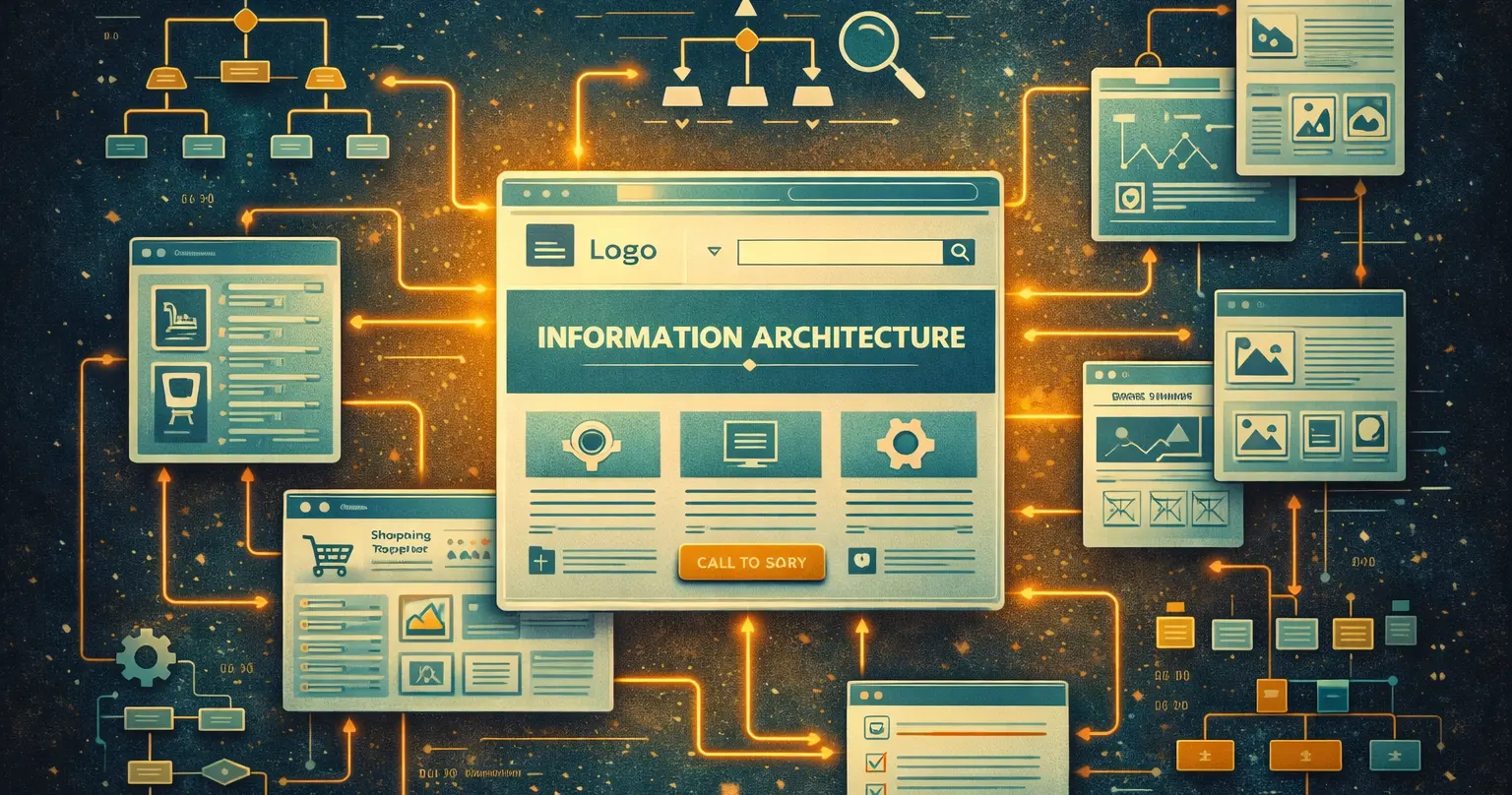
- Hierarchical information architecture
- Strategic use of white space
- Clear value propositions above the fold
- Consistent branding elements
Actionable Tip: Conduct regular heatmap analysis of website elements to understand user behavior patterns and optimize accordingly.
Mobile-First Site Design Strategies
With 70% of B2B search queries now happening on mobile devices, successful websites must prioritize mobile optimization. Key considerations include:
- Progressive enhancement techniques
- Touch-friendly interface elements
- Responsive images and tables
- Mobile-optimized forms
Industry Example: Salesforce’s website excels in mobile responsiveness, maintaining functionality while adapting seamlessly across devices.
B2B Website Design: Integrating Advanced Technologies
As B2B website design evolves, artificial intelligence and machine learning are becoming integral components. According to Gartner, 85% of B2B enterprises will deploy AI-enhanced web experiences by 2025. Smart web design now incorporates:
AI-Powered Personalization
Modern web design leverages AI to deliver personalized experiences:
- Dynamic content adaptation based on visitor behavior
- Intelligent chatbots for immediate support
- Predictive search functionality
- Custom product recommendations
Industry Example: Accenture’s website showcases AI-driven personalization, adjusting content based on the visitor’s industry and previous interactions.
Best Practice Tip: Implement progressive profiling on your website to gather user data gradually without overwhelming visitors.
Data-Driven B2B Website Optimization
Enterprise site design success relies heavily on analytics:
- A/B testing of key elements (showing 27% higher conversion rates)
- Heat mapping for user behavior analysis
- Session recordings for UX improvement
- Conversion path optimization
Actionable Tip: Set up monthly website review sessions focusing on data-driven improvements across all key performance indicators.
Visual Storytelling in Strategic Site Design
Recent studies show that B2B buyers are 95% more likely to engage with visual content. Professional B2B website design must incorporate:
Interactive Elements in Modern Web Design
Engaging design features that drive engagement:
- Interactive product demonstrations
- Animated infographics
- 3D product viewers
- Virtual tours of services
Industry Example: Intel’s website excellently demonstrates complex products through interactive visualizations.
Best Practice Tip: Ensure all interactive elements on your website maintain loading speeds under 3 seconds to prevent user abandonment.
Content Hierarchy
Effective design prioritizes information flow:
- Clear visual hierarchy (improving comprehension by 39%)
- Strategic use of typography
- Consistent brand storytelling
- Seamless navigation patterns
Advanced Navigation Solutions in Web Design
With enterprise website design becoming increasingly complex, smart navigation is crucial. Research shows that improved navigation can reduce time-to-conversion by up to 42%.
Innovative Search Features
Modern websites embrace advanced search capabilities:
- Natural language processing
- Faceted search options
- Auto-suggest functionality
- Search analytics integration
Industry Example: ServiceNow’s website features an AI-powered search system that learns from user behavior.
Best Practice Tip: Implement search analytics on your website to understand user intent and optimize content accordingly.
Content Architecture in Professional Website Design
Strategic design requires thoughtful content organization:
- Industry-specific landing pages
- Solution-based navigation
- Resource libraries
- Customer success stories
Actionable Tip: Create customer journey maps to inform your B2B website navigation structure.
AI and Personalization Deployment in Web Design: A Comprehensive Guide
Recent data shows that AI-powered web design can increase conversion rates by up to 63% through personalization. Here’s a detailed breakdown of the implementation process:
- Data Collection Framework
- Install advanced analytics tracking
- Implement cookie consent management
- Set up behavioral tracking pixels
- Configure form tracking and progressive profiling
- Deploy heat mapping and session recording tools
Industry Example: Adobe’s design leverages first-party data collection to create detailed visitor profiles, resulting in 40% higher engagement rates.
- AI Integration Phases
Phase A: Basic Personalization (Month 1-2)
- Dynamic content blocks based on industry
- Geographic-based customization
- Return visitor recognition
- Basic chatbot implementation
Phase B: Advanced Personalization (Month 2-4)
- Account-based marketing (ABM) integration
- Predictive content recommendations
- Smart form field population
- Industry-specific case study suggestions
Phase C: Deep Learning Implementation (Month 4-6)
- Real-time behavior analysis
- Predictive lead scoring
- Custom algorithm development
- A/B testing automation
Best Practice Tip: Start with one personalization element and measure its impact before adding more layers. Companies see a 20% higher success rate with this gradual approach.
- Personalization Triggers
Key Implementation Points:
- Company size detection
- Industry classification
- Visit frequency patterns
- Engagement level scoring
- Content consumption analysis
Actionable Tip: Create decision trees for each personalization trigger to ensure logical content delivery.
- Machine Learning Models
Essential Components:
- Collaborative filtering for content recommendations
- Natural Language Processing for search optimization
- Pattern recognition for user behavior prediction
- Anomaly detection for security
- Automated A/B testing systems
Industry Example: Salesforce’s website uses machine learning to predict which resources visitors are most likely to download, increasing resource engagement by 35%.
- Performance Monitoring and Optimization
Key Metrics to Track:
- Personalization accuracy rate (aim for 85%+)
- User engagement lift (industry average: 27%)
- Conversion rate improvements
- Time spent on personalized content
- Return visitor rates
Best Practice Tip: Implement a monthly AI performance review cycle focusing on:
- Algorithm accuracy
- False positive rates
- User feedback analysis
- Performance optimization opportunities
- Common Implementation Challenges and Solutions
Challenge 1: Data Quality
Solution: Implement data validation rules and regular cleaning procedures
Challenge 2: Privacy Compliance
Solution: Build region-specific personalization rules adhering to local regulations
Challenge 3: Performance Impact
Solution: Use lazy loading and progressive enhancement techniques
FAQs
Q: How much does professional medium-sized company web design typically cost?
A: Web design costs typically range from $20,000 to $150,000+, depending on complexity, features, and customization requirements. Enterprise-level B2B website design with full AI integration and personalization can exceed $200,000.
Q: What’s the typical timeline for a web design project?
A: A comprehensive web design project usually takes 12-16 weeks. This timeline breaks down into:
- Discovery and planning: 2-3 weeks
- Design and prototyping: 4-5 weeks
- Development: 4-6 weeks
- Testing and optimization: 2 weeks
Complex enterprise projects may require 6-8 months for full implementation.
Q: How often should we redesign our website?
A: Major design refreshes are typically needed every 2-3 years, with minor updates quarterly. However, continuous optimization should occur monthly based on performance data and user feedback.
Q: What are the most critical elements for conversion?
A: Key conversion elements include:
- Clear value proposition above the fold
- Streamlined navigation
- Prominent CTAs
- Trust indicators (client logos, testimonials)
- Easy-to-find contact information
Studies show these elements can increase conversion rates by up to 55%.
Q: How can we measure ROI for a website?
A: Track these key metrics:
- Conversion rate improvements
- Lead quality scores
- Average deal size
- Time to conversion
- Customer acquisition cost
Industry benchmark: Effective web design typically delivers ROI within 6-12 months.
Q: What’s the difference between B2B and B2C website design?
A: B2B website design focuses on:
- Longer decision-making cycles
- Multiple stakeholder consideration
- Complex product information
- Detailed resource sections
- Enterprise-level solutions
While B2C emphasizes immediate emotional appeal and quick transactions.
Putting It All Together
Success in modern web design isn’t just about following trends—it’s about creating a cohesive digital experience that drives results. Here’s your actionable blueprint for implementation:
- Strategic Foundation
- Conduct a comprehensive audit of your current B2B website design
- Define clear KPIs aligned with business objectives
- Map your customer journey across all touchpoints
- Implementation Roadmap
- Phase 1: Core design and UX optimization
- Phase 2: Advanced feature integration
- Phase 3: AI and personalization deployment
- Phase 4: Continuous improvement cycle
- Success Metrics
Track these key B2B website design performance indicators:
- Engagement rates (industry average: 3-5 minutes)
- Conversion rates (target: 2.5% or higher)
- Mobile responsiveness scores (aim for 90+)
- Page load speeds (under 2.5 seconds)
Industry Example: Slack’s website evolution showcases this holistic approach, resulting in a 45% increase in enterprise leads.
Final Best Practice Tip: Establish a quarterly website review process that includes:
- User feedback analysis
- Competitive benchmarking
- Technology stack assessment
- Content performance evaluation
Remember: Effective website design is an ongoing journey, not a destination. Stay agile, data-driven, and user-focused to maintain your competitive edge. See how Atomic can help you with your website needs.